
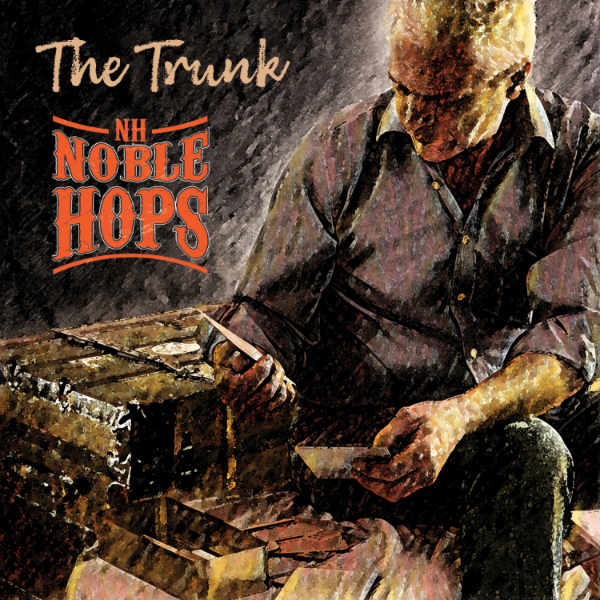
Noble Hops Unpack Brokenness, Redemption, and the Call to Break Generational Chains on “The Trunk”

Noble Hops’ “The Trunk” is more than a compelling rock narrative — it is a deeply human story that resonates with the core themes of Christian faith: brokenness, consequence, compassion, and the possibility of redemption. It may not mention God directly, yet the spiritual undercurrent running through Utah Burgess’ lyrics is undeniable. This is a modern parable, one rooted in the realities of war, family dysfunction, and inherited pain, but illuminated by the hope of transformation.
The song opens with a powerful image: a son uncovering a hidden trunk in his father’s room. What he finds isn’t treasure, but testimony — the remnants of a life scarred by trauma and poor circumstances. Like so many biblical figures wounded by the world’s harshness, the father is a man who fought battles both external and internal. His scars echo the emotional and spiritual wounds we all carry, the kind Scripture reminds us only God can fully heal.
Burgess describes the father’s return from Vietnam with a bullet in his arm but emphasizes the deeper harm: the invisible wounds of the mind and spirit. In Christian teaching, this reminds us of the unseen battles believers fight every day — the kind Paul refers to when he writes about “principalities and powers” and the spiritual struggles that cannot be measured by outward appearances.
The father’s decline — job loss, broken family, addiction, homelessness — isn’t portrayed judgmentally. Instead, it invites compassion. The song becomes a reminder of Christ’s call to care for the forgotten, the marginalized, the ones society overlooks. Jesus consistently reached out to those crushed by life’s burdens; “The Trunk” challenges listeners to see that same humanity in those suffering around us.
Noble Hops Unpack Brokenness, Redemption, and the Call to Break Generational Chains on “The Trunk”
Stream & Enjoy
But the heart of the song, and its most powerful Christian message, comes in the closing verses. After absorbing the weight of his father’s shattered past, the son makes a vow:
“I’m gonna try to set things right… I’ll make it the life I want it to be.”
This is repentance — not of personal sin alone, but of generational patterns. It mirrors the biblical idea that while “the sins of the fathers” may echo through generations, God also empowers us to break those cycles through forgiveness, intentional living, and reliance on His strength.
“The Trunk” ultimately points toward hope. It affirms that even the most painful histories can become testimonies, and that every believer is called — and equipped — to write a new ending to an old story.
–Chris Conti