
Category: NEWS

Amy Grant Reflects on Faith & Legacy in Record CCM Cover

CCM Magazine is pleased to announce that global music icon Amy Grant will grace the cover of its May 2026 issue, marking a historic milestone in Contemporary Christian Music. With this latest appearance, Grant officially sets the record for the most cover stories in CCM Magazine history.

amy cover blue

The May edition of Cover Story, by co-editor Logan Sekulow, captures a one-on-one conversation with Grant as she promotes her first new album in over a decade, The Me That Remains, arriving May 8, 2026. Expanding beyond a traditional print feature, the story also lives as a visual episode, bringing the conversation, performances, and artistry to life on screen. The record marks a return to her singer-songwriter roots, blending reflective, deeply personal themes with the warmth and accessibility that have defined her career.

Referencing her very first CCM cover in 1979, Grant shared: “My first CCM cover was on newspaper print!”

The interview reveals a grounded, unassuming artist who views music-making as a rediscovery rather than a calculated move. “On any journey, you’re led by curiosity… but I think most of us return to what we loved at the beginning,” Grant reflects. She adds, “I just rediscovered how magical it feels to make music. You sort of play your little version of a song, and then all these great studio players bring their lifetime of expertise to it and it blooms. The song emerges so much more than it started out—and that’s always magical, no matter how old you are.”

The story also highlights Grant’s recent health challenges, including open-heart surgery and a traumatic brain injury from a biking accident, and how those experiences shaped the album without turning it into a spectacle. It also touches on her enduring faith, longstanding friendships (including her collaboration with Michael W. Smith on the track “The Saint”), and the shared history she feels with her audience, many of whom have followed her for decades.

The May rollout will include exclusive content across CCM’s platforms, including today’s cover reveal, the longform cover story and video interview (May 6), and exclusive performance videos filmed at CCM: “Me That Remains,” Beautiful Lone Companion,” and “Baby Baby” — available on CCMMagazine.com and the CCM Magazine YouTube channel (May 6).

Says Logan Sekulow: “Amy Grant isn’t just part of CCM Magazine history, she helped create the foundation of it. To have her back with new music and to feature her again on our cover is both a full-circle moment and a reminder that her voice still matters right now. CCM will always celebrate the artists and songs that continue to shape the soundtrack of our lives.”

Says co-editor Amanda Sekulow: “This was such a meaningful milestone to capture. As Amy breaks the record for the most CCM Magazine covers, we wanted the visuals to rise to that moment. It’s our most unique stylistic approach yet, with each piece, the performances, the interview, the cover, living in its own visual space. Each setting reflects the quiet confidence of where she is today.”

Read More

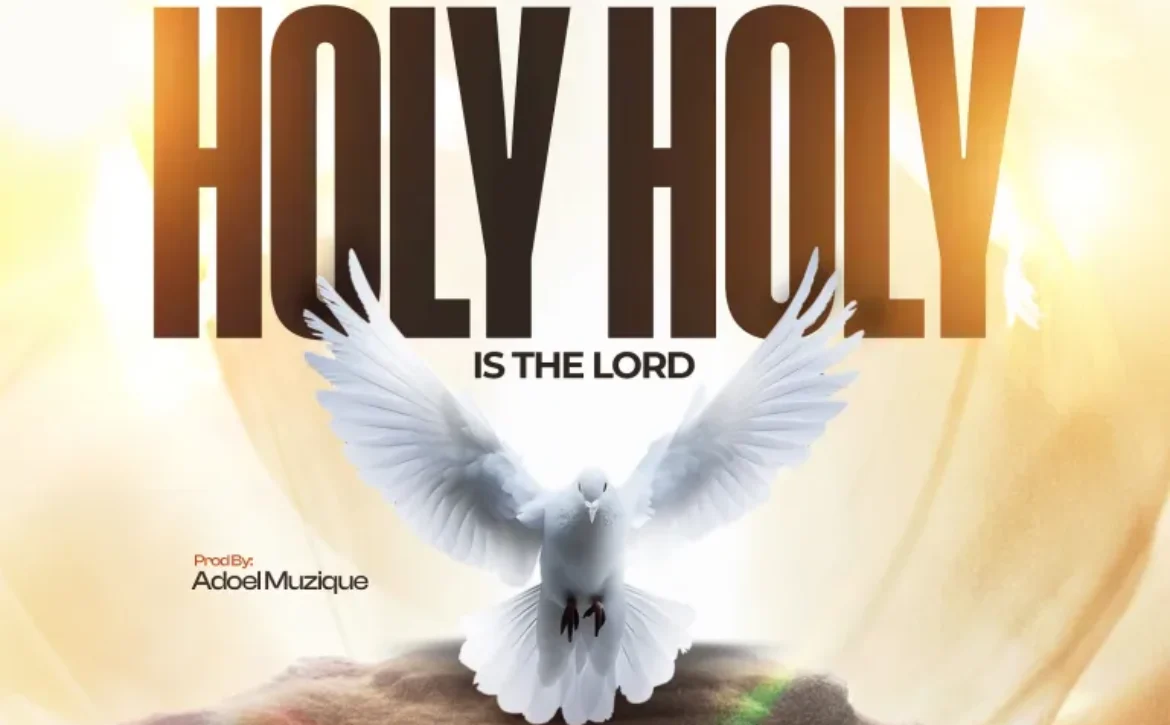
[Video] Holy Holy Is The Lord – John Olumayowa

Following the Good Friday Release of “Dead to Law,” Tephillah Records Founder and Faith Teacher Prepares to Lead the Church Into a New Dimension of Worship On April 25, 2026, John Olumayowa — teacher of faith, published author, discipler, and founder of the House of Tephillah and Tephillah Records — releases his highly anticipated new hymn, “Holy Holy Is The Lord”, across all major streaming platforms worldwide.

The official scoresheet will also be available for purchase, making the hymn accessible for worship leaders, choir directors, and church musicians who wish to bring it into congregational worship.

Holy Holy Is The Lord arrives just weeks after the powerful Good Friday release of Dead to Law — a hymn that has already begun making its mark in churches and worship communities across Nigeria and beyond.

The title ‘Holy Holy Is The Lord’ carries the weight of one of the most profound declarations in all of scripture.

In Isaiah chapter 6, the seraphim before the throne of God cried out without ceasing “Holy, Holy, Holy is the Lord of hosts” — a triple declaration that theologians across centuries have understood as an expression of the infinite, uncontainable nature of God’s holiness.

John Olumayowa is one of Nigeria’s most distinguished voices in Christian discipleship and faith teaching. As the founder of the House of Tephillah, which is a ministry devoted to deep prayer, sound doctrine, and the making of disciples — and as the visionary behind Tephillah Records, Olumayowa has spent years building a legacy that stretches far beyond the pulpit.

A prolific author with multiple published books to his name, his written works have shaped the faith walk of believers across Africa and beyond. All of his hymns released has demonstrated that his depth of revelation translates with equal power into sacred music. With “Holy Holy Is The Lord,” he continues to build what is fast becoming a hymn library for the Nigerian church and the global body of Christ.

Holy Holy Is The Lord will be available for streaming on Spotify, Apple Music, Boomplay, Audiomack, YouTube Music, and all other major digital platforms beginning April 25, 2026. For churches, worship leaders, choir directors, and musicians who wish to lead this hymn in congregational settings, the official scoresheet is available for purchase directly through the website.

The scoresheet makes Holy Holy Is The Lord accessible for live performance, choir use, and personal study, ensuring that the declaration of this hymn reaches not just ears, but voices

raised together in worship.

On April 25, let the church declare what the seraphim never stopped saying. “Holy Holy Is The Lord” – streaming everywhere.

Holy Holy Is The Lord – John Olumayowa

Stream & Enjoy

Read More

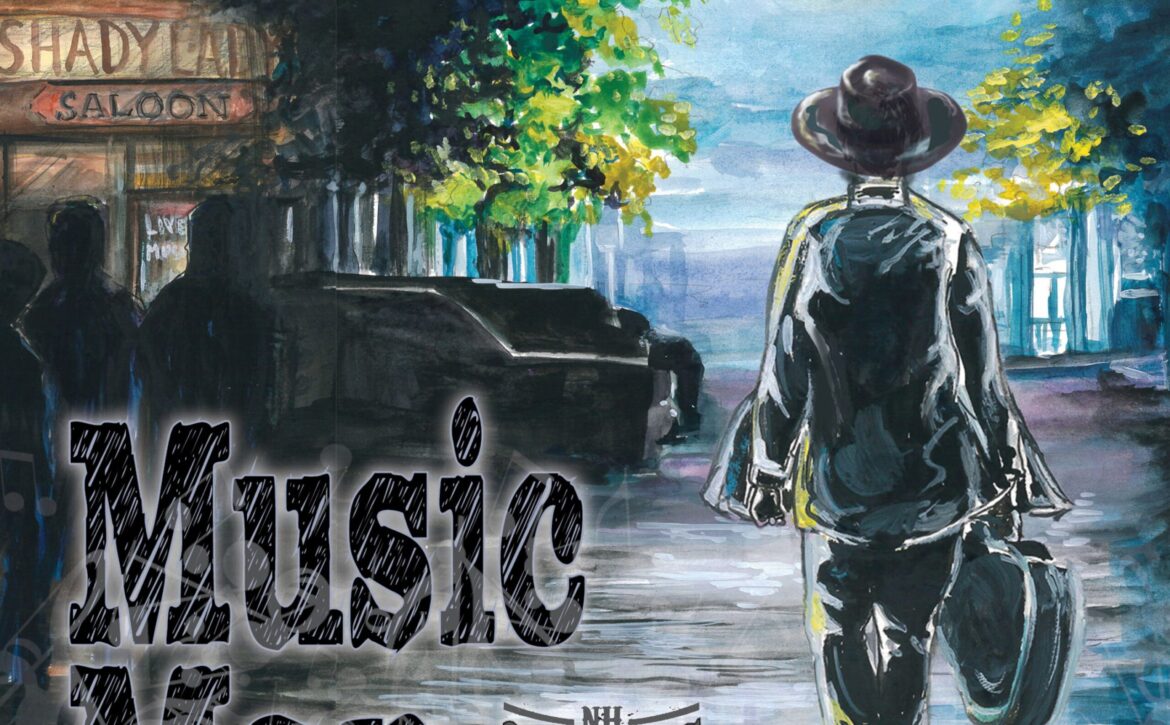
A Song for the Faithful Traveler: Noble Hops Find Redemption in Honesty on ‘Music Man’

In a music industry often obsessed with fame, fortune, and image, Noble Hops’ new single “Music Man” offers something increasingly rare: humility. Not false humility wrapped in self-promotion, but the genuine kind—the kind born from years of struggle, sacrifice, and staying true to who you are, even when the world offers little in return.

From a Christian perspective, “Music Man” resonates not because it preaches, but because it reflects timeless spiritual truths about calling, perseverance, and integrity. At its core, this is a song about a man who refuses to compromise himself for success. He may not quote Scripture, but his journey echoes the biblical idea of gaining the whole world versus losing one’s soul.

“I didn’t sell my soul for rock and roll, but it became my way of life.”

That opening line sets the tone immediately. In a culture that glorifies shortcuts and celebrity at any cost, the narrator stands apart. He doesn’t claim perfection, and he certainly doesn’t claim worldly victory. Instead, he speaks honestly about the price of the road: empty bars, broken relationships, uncertainty, and sacrifice. Yet through it all, he remains grounded in authenticity. He sings what he pleases, “keeps off his knees,” and chooses to remain “Me For Me.”

For believers, that kind of conviction carries weight. Romans 12:2 calls Christians not to conform to the patterns of the world, and while “Music Man” isn’t a worship song, it does reflect the struggle of holding onto identity and purpose in a world constantly pressuring people to compromise.

A Song for the Faithful Traveler: Noble Hops Find Redemption in Honesty on ‘Music Man’

Stream & Enjoy

Musically, Noble Hops deliver the message with grit and sincerity. The band avoids overproduction, allowing the song’s emotional core to remain front and center. Utah Burgess’ vocal performance feels lived-in and honest, never polished to the point of artificiality. There’s weariness in his voice, but also resolve. You believe him because he sounds like a man who has actually traveled these roads.

The instrumentation supports that spirit beautifully. Tony Villella’s guitars bring a classic Americana-rock flavor that recalls the heartland storytelling of artists who valued substance over style. Johnny “Sleeves” Costa’s bass and Brad Hulburt’s drums provide a steady backbone that mirrors the persistence at the center of the song itself.

What stands out most, however, is the absence of bitterness.

Too often, songs about hard lives become cynical. “Music Man” doesn’t. Even after all the disappointments, the narrator still loves to play and sing. He still believes the journey mattered. That attitude reflects a deeper spiritual principle: purpose is not measured solely by earthly reward. Sometimes faithfulness itself is the victory.

One of the most moving moments arrives near the end of the song:

“The time will come when I’ll be gone, but my songs they will live on.”

There’s something profoundly human—and spiritual—about that sentiment. Ecclesiastes reminds us that life is temporary, but what we leave behind matters. The “Music Man” understands he won’t live forever, yet he hopes his music might inspire future dreamers playing old guitars in forgotten bars. It’s not about ego. It’s about legacy.

And perhaps that’s why this song connects so deeply. It speaks to anyone who has ever pursued a calling without guarantees. Anyone who has chosen conviction over comfort. Anyone who has kept going simply because they believed they were meant to.

Noble Hops may not frame “Music Man” as a faith-based anthem, but its themes of honesty, endurance, sacrifice, and purpose align naturally with Christian values. In the end, the song reminds listeners that success isn’t always found in wealth or applause. Sometimes it’s found in remaining true to the gifts God gave you—even when the road is long and lonely.

“Music Man” doesn’t seek glory.

It seeks truth.

And that may be the most redemptive thing about it.

–Chris Beck

Read More

Holding Ground: K.K. Hammond’s ‘Ain’t No Grave’ Turns Defiance into Intimacy

There’s a moment in “Ain’t No Grave”—that familiar line about the body refusing to be held down—where many singers aim skyward, lifting the lyric into something triumphant, almost declarative.The Curse of K.K. Hammond takes a different route. She keeps her voice close to the ground. And in doing so, she changes the emotional center of the song.

Hammond has built her work on an understanding that the blues isn’t just a form—it’s a continuum of feeling, memory, and place. Her version of this traditional spiritual, recorded with David & the Devil and Kaspar “Berry” Rapkin, doesn’t try to reclaim the song so much as sit inside it. It’s not about ownership; it’s about presence. You can hear that in the pacing from the outset. The arrangement unfolds slowly, as if the musicians are feeling their way through familiar terrain in dim light.

The sonic palette is spare but evocative. Slide guitars hover like distant voices, bending and stretching the melody in ways that feel almost conversational. The rhythm, steady and grounded, resists any urge toward urgency. Instead, it offers a kind of physical anchor—a reminder of the body that the song itself is concerned with transcending. That tension between earthbound weight and spiritual release is what gives this interpretation its quiet pull.

Hammond’s voice sits at the center of that tension. There’s a grain to it, a texture that suggests both wear and resilience. She doesn’t push the lyric outward; she draws it inward. The words feel considered, even meditative. When she reaches the chorus, there’s no dramatic swell. The line arrives as something already known, something lived with over time. It feels less like a proclamation and more like a recognition.

Holding Ground: K.K. Hammond’s ‘Ain’t No Grave’ Turns Defiance into Intimacy

Stream & Enjoy

David & the Devil’s vocal presence introduces another dimension. His tone is darker, more weathered, and it shifts the emotional balance of the song. The two voices don’t merge into harmony so much as coexist, each carrying its own perspective. There’s a subtle dialogue at play—not in the literal sense, but in the way their deliveries overlap and diverge. It recalls the communal roots of both blues and gospel traditions, where songs were shaped collectively, shaped by many hands and voices.

Kaspar “Berry” Rapkin’s production choices are crucial here. There’s an emphasis on space—on letting the sound breathe. You can hear the textures of the instruments, the slight imperfections that give the recording its sense of immediacy. Nothing feels overworked. The restraint in the mix mirrors the restraint in the performance, creating a cohesive sonic environment that feels intimate without being insular.

The accompanying video extends that sensibility into the visual realm. It’s not narrative-driven in a conventional sense. Instead, it offers fragments—light, shadow, landscape—that echo the music’s atmosphere. There’s a tactile quality to it, as though the imagery is meant to be felt as much as seen. Like the song, it invites the viewer to sit with it rather than decode it.

What Hammond achieves with “Ain’t No Grave” is a reframing of a well-known song’s emotional architecture. By resisting the pull toward overt dramatics, she uncovers something more interior. The defiance at the heart of the lyric doesn’t disappear—it deepens. It becomes less about a singular moment of resistance and more about an ongoing state of being.

In that sense, this version feels aligned with the broader history of the blues—not as a fixed genre, but as a way of carrying experience forward. Hammond doesn’t present herself as a torchbearer so much as a participant in that process. She listens, responds, and adds her voice.

And sometimes, that quiet addition is what allows a song to keep speaking.

–Annie Powter

Read More

DPB’s Undefeated Finds Power in Testimony, Where Faith and Memory Converge

On Undefeated, DPB offers something that feels increasingly rare in contemporary music: a body of work anchored not in reinvention, but in conviction. Across 15 tracks, he builds a narrative that is deeply personal yet communally resonant, drawing from the well of gospel tradition, hip-hop storytelling, and lived spiritual experience. The result is an album that reads like a testimony—layered, repetitive, insistent—because testimony, by its nature, is meant to be heard more than once.

The opening strains of “I Feel So Good Today” establish the album’s emotional vocabulary: joy as discipline, gratitude as practice. DPB’s language is direct, even plainspoken, but it carries a rhythmic insistence that echoes both sermon and song. When he repeats “I feel so good today,” it functions less as description and more as invocation—an act of speaking reality into being. This lyrical approach runs throughout the album, where repetition becomes a spiritual tool, aligning the music with traditions of praise and affirmation.

The title track, “Undefeated,” serves as the album’s thematic axis. Here, DPB recounts a life marked by struggle and perseverance, but reframes those experiences through faith. “God wrote the pages of my life,” he declares, placing authorship outside himself. In a genre that often centers individual triumph, this gesture shifts the narrative toward surrender. It is a subtle but significant repositioning of power, one that defines the album’s spiritual core.

What makes Undefeated compelling is how it moves between the intimate and the collective. “Back in the Day” is perhaps its most vivid example, a song that situates memory within a larger cultural and spiritual landscape. The images are specific—front porches, block parties, a mother praying through the night—but they resonate beyond autobiography. These are scenes of formation, where faith is not abstract but embedded in daily life, passed down through gesture and routine. In recalling them, DPB does not simply indulge nostalgia; he reclaims a framework for living.

DPB’s Undefeated Finds Power in Testimony, Where Faith and Memory Converge

Stream & Enjoy

Elsewhere, the album turns inward. “Let It Go” confronts emotional and psychological burdens with a starkness that resists easy resolution. The repeated directive to release pain—bitterness, addiction, confusion—becomes both command and comfort. There is an honesty here that feels unguarded, even when the language remains simple. It suggests that faith, in DPB’s world, is not an escape from struggle but a means of navigating it.

The worship-centered tracks, particularly “Consume Me,” deepen this sense of surrender. Stripped of the rhythmic drive that propels much of the album, these moments create space for stillness. They recall the quiet intensity of a church service, where music becomes a vessel for presence rather than performance. In this context, DPB’s voice shifts from storyteller to participant, inviting listeners into a shared act of devotion.

Musically, Undefeated remains grounded in familiar structures—steady beats, gospel-inflected melodies, uncluttered arrangements. It does not seek to disrupt or innovate in obvious ways. Instead, it prioritizes coherence, allowing the thematic throughline to guide the listening experience. This restraint underscores the album’s focus: the message is the centerpiece.

In the end, Undefeated is less about victory as conquest and more about endurance as faithfulness. DPB frames survival not as an individual achievement but as evidence of something larger at work. In doing so, he offers a reminder that music, at its most powerful, can serve as both witness and guide—holding space for memory, belief, and the ongoing search for meaning.

–Annie Powter

Read More

Beyond the Spotlight: ARGYRO’s Glitterati Wrestles with Image, Identity, and the Search for Something Real

ARGYRO’s Glitterati is, on its surface, an album about fame—the flash, the ego, the allure of being seen. But listen a little deeper, and it begins to feel like something more reflective: a meditation on identity, longing, and the quiet realization that the spotlight can’t satisfy the soul.

From the opening moments of the title track, ARGYRO leans into the persona of the “part-time movie star,” tossing his name around and stepping confidently into the glow of attention . It’s catchy, clever, and undeniably fun—but it also echoes a deeper truth familiar in a Christian worldview: the world often invites us to build our identity on recognition, status, and appearance. Scripture reminds us that these things are fleeting, and Glitterati seems to understand that, even if it doesn’t always say it outright.

That tension—between who we present ourselves to be and who we really are—runs throughout the album.

Tracks like “Cool Shades” and “She’s So LA” capture the seductive pull of escape and desire. There’s beauty in the imagery—sunlight, water, motion—but also a sense of restlessness beneath it. These songs feel like chasing something just out of reach, whether it’s love, peace, or meaning. From a faith perspective, it reflects the human tendency to seek fulfillment in temporary things, only to find that they don’t fully satisfy.

“The Phenomenon” amplifies the theme of self-exaltation, with its declarations of greatness and dominance. It’s one of the album’s most energetic moments, but also one of its most revealing. The confidence borders on bravado, and in that, there’s a subtle warning. In Christian teaching, pride is often described as the root of separation—from God, from others, and from truth. The song doesn’t preach against that idea, but it illustrates it vividly: a persona built high, but perhaps not on solid ground.

Beyond the Spotlight: ARGYRO’s Glitterati Wrestles with Image, Identity, and the Search for Something Real

Stream & Enjoy

Where Glitterati becomes most compelling is when it begins to soften.

“House Upon the Mountainside” feels like a turning point—a retreat from the noise into something quieter and more reflective. The imagery of firelight, storms, and memory suggests a longing for peace, for stillness, for a place where the soul can rest. It’s reminiscent of the biblical idea of retreating from the world to reconnect with what truly matters. In these moments, ARGYRO seems less concerned with being seen and more concerned with understanding.

That introspection carries into “So One of a Kind” and “Perfect Endings,” where love is portrayed not as a perfect, lasting ideal, but as something fragile and fleeting. There’s honesty here—an acknowledgment that even our most meaningful human connections are imperfect. From a Christian lens, this can be seen as a reflection of our deeper need for a love that is constant and unchanging, something only God can provide.

The album’s closing track, “Lifeline,” brings its themes into clearer focus. Addressing division, conflict, and the human tendency to turn against one another, the song ultimately reaches for unity: “we’re all just the same… flowing to the same place” . It’s a powerful sentiment, one that aligns closely with the Christian belief in shared humanity and the call to love one another. The plea for a “lifeline” feels spiritual, even if it’s not explicitly framed that way—a cry for guidance, connection, and hope in a fractured world.

What makes Glitterati resonate from a Christian perspective is not that it offers answers, but that it asks the right questions. It explores the allure of the world without fully endorsing it. It reveals the cracks beneath the surface. And in doing so, it points—sometimes subtly, sometimes directly—toward a deeper truth: that identity built on image will always fall short, and that the human heart is ultimately searching for something more enduring.

ARGYRO may not frame Glitterati as a spiritual record, but its journey—from spotlight to introspection, from ego to vulnerability—mirrors a path many believers recognize. It’s the movement from outward striving to inward reflection, from self to something greater.

In the end, Glitterati leaves us with a quiet challenge: to look beyond the glitter, beyond the performance, and ask what truly defines us when the lights go out.

–Chris Beck

Read More

PJ Morton Announces New Double Album Out June 19th

PJ Morton has made albums everywhere from Africa to Louisiana. He has won six GRAMMY® Awards including Best R&B Song, Best Traditional R&B Performance and Best Gospel Album, has recorded with everything from a lone piano to a full orchestra, and performed everywhere from church services to the Super Bowl Halftime Show.

He has topped the pop charts as a long-time, full-time member of Maroon 5, and throughout his transformation from preacher’s kid to one of the busiest men in music, he has collaborated with countless icons, innovators and institutions. But until now, one thing he has never done is create a project that captures the full breadth of his artistry, identity and inspirations. 

On June 19th, 2026, PJ Morton will release Saturday Night, Sunday Morning, a double album split in two: one half of R&B (Saturday Night), one half of Gospel (Sunday Morning). Each record features nine new songs that seamlessly coexist, breaking down the barriers of sound, culture and genre that he has always sought to defy.

“I was always made to choose. Growing up in church, I loved gospel music. You could feel it in your soul. But R&B and soul music, that got me too. There was always an unspoken rule that you had to choose one or the other.

But is that a true reflection of life? Are we all one thing all the time? Is the soundtrack the same for having a worship experience with God as it is for falling in love? I’ve been fortunate enough to exist in many of these spaces authentically. I was the same person when I wrote ‘Let Go Let God’ as I was when I wrote ‘Say So.’ I didn’t want to choose this time. I’m both Saturday Night and Sunday Morning.”

–PJ Morton 

Read More

“Like the Passing Clouds”: Alex Krawczyk Finds Power in Letting Go

There’s a certain kind of courage in choosing softness, and on “Like the Passing Clouds,” Alex Krawczyk leans all the way in. In a musical landscape that often rewards volume and velocity, Krawczyk slows everything down to a near still point—and discovers something quietly profound waiting there.

Built on a gently fingerpicked acoustic guitar, the track unfolds with an ease that feels organic rather than constructed. There’s no urgency to impress, no need to escalate. Instead, subtle electric textures drift through the arrangement like light through trees, while the background vocals arrive in soft, supportive layers. It’s a sonic environment designed not to overwhelm, but to hold space—and that distinction matters.

Because at its core, “Like the Passing Clouds” is about space. Emotional space. Mental space. The space between a thought and the reaction to it.

Krawczyk’s vocal is the anchor. There’s a calm steadiness in her delivery that feels lived-in, not performed. She doesn’t oversell the lyric or push for dramatic effect. She trusts it. And that trust allows lines like “I welcome my thoughts like the passing clouds” to land with a quiet resonance. In another context, it might feel like a familiar phrase. Here, it feels like a realization—something arrived at after time, not borrowed for effect.

“Like the Passing Clouds”: Alex Krawczyk Finds Power in Letting Go

Stream & Enjoy

What makes the song particularly compelling is its refusal to tidy things up. When she asks, “Am I here or am I gone?” there’s no immediate answer waiting on the other side. Instead, the question lingers. It’s acknowledged, not resolved. And in that restraint, Krawczyk captures something deeply human: the understanding that not every feeling needs to be fixed to be felt.

The production, guided by longtime collaborator Robbie Roth, supports that emotional landscape with care. There’s an understated discipline in how the song is arranged. No unnecessary flourishes, no sonic clutter. Just enough texture to give the track depth without disrupting its balance. It’s the kind of approach that speaks to confidence—knowing what to leave out as much as what to include.

In many ways, “Like the Passing Clouds” feels like a turning point. It showcases Krawczyk’s growth not only as a songwriter, but as an artist willing to trust stillness. She doesn’t chase a hook or build toward a conventional climax. Instead, she allows the song to exist in a steady emotional current, inviting the listener to meet it there.

And if you do, something subtle happens.

The song doesn’t demand attention—it earns it. It doesn’t overwhelm—it steadies. And by the time it fades, you may not feel dramatically changed, but you do feel… lighter. A little less tangled in your own thoughts. A little more present.

That’s not a small achievement.

“Like the Passing Clouds” reminds us that sometimes the most powerful songs aren’t the ones that shake the room—they’re the ones that quiet it, long enough for you to hear yourself think.

–Harry Gleason

Read More

Ashes Awaken – Rise: A Testimony Forged in Fire and Grace

There are albums that entertain, and then there are albums that minister. Ashes Awaken’s debut release, Rise, firmly belongs in the latter category. Across eleven tracks, the Pittsburgh-based Christian metal band delivers a deeply personal and spiritually charged journey—one that confronts sin, wrestles with brokenness, and ultimately points toward redemption through Jesus Christ. This is not just music; it’s testimony set to thunder.

From the outset, Rise establishes its tone with “Golgotha,” a brief, Middle Eastern-influenced instrumental that sets a reverent and weighty atmosphere. It feels like stepping onto sacred ground, preparing the listener for what follows. That preparation pays off as “Crown of Thorns” erupts with intensity, vividly recounting the crucifixion with lines like “Blood on the wood… the heavens cry.” The track doesn’t shy away from the brutality of the cross, but it also points toward victory, culminating in a triumphant declaration of resurrection and eternal reign.

What makes Rise resonate so deeply is its balance between biblical narrative and personal testimony. “A Better Way” and “For You” serve as emotional anchors, grounded in repentance and surrender. These songs don’t present faith as abstract theology—they present it as lived experience. Lyrics like “Forgive me for what I’ve done” carry a weight that suggests authenticity rather than performance. There is a humility here that is often missing in heavier genres, and it becomes one of the album’s greatest strengths.

The centerpiece of the album, “Amazing Grace, Again,” stands as a powerful autobiographical statement. Chronicling a journey through addiction, self-loathing, and spiritual awakening, the song echoes the timeless message of grace in a modern context. “When I was lost, You carried me home,” the chorus proclaims, offering both confession and comfort. It is a reminder that no matter how far one has fallen, God’s grace remains relentless and restorative.

Yet Rise is not solely introspective—it is also celebratory. “Shout It Loud” bursts forth as a call to proclaim faith boldly, encouraging believers to lift their voices without hesitation. Similarly, “Hallelujah” embraces simplicity, repeating its central message in a way that invites communal worship. These moments of praise provide balance to the heavier thematic elements, ensuring the album does not remain in the valley but continually points toward the mountaintop.

One of the most striking tracks is “The Mirror,” which explores the pain of fractured relationships and the lingering consequences of past choices. It is perhaps the most vulnerable moment on the album, reminding listeners that while grace restores, the journey toward healing can be complex and ongoing. This honesty is crucial—it reinforces that faith is not about erasing scars, but about finding purpose through them.

Ashes Awaken – Rise: A Testimony Forged in Fire and Grace

Stream & Enjoy

Musically, Ashes Awaken navigate the space between aggression and accessibility with confidence. Their sound draws from modern Christian metal influences like Skillet and Demon Hunter, while also incorporating melodic sensibilities reminiscent of classic rock acts such as Journey and Queen. The result is a dynamic listening experience that appeals to both heavy music fans and those seeking spiritually uplifting content.

The album closes with “Rise from the Ashes,” a fitting conclusion that encapsulates the entire message of the record. It is a declaration of transformation—a reminder that through Christ, even the most broken life can be renewed. The imagery of chains breaking and darkness lifting reinforces the central theme: redemption is not only possible, it is promised.

Ultimately, Rise succeeds because it is genuine. It does not attempt to mask struggle or oversimplify faith. Instead, it acknowledges the depth of human brokenness while boldly proclaiming the hope found in Christ. In a musical landscape often driven by trends, Ashes Awaken offer something timeless: truth.

For listeners searching for music that speaks to both the heart and the soul, Rise is more than an album—it is an invitation. An invitation to confront the past, embrace grace, and step forward into new life.

–Chris Beck

Read More

Where Faith Meets the Front Porch: Dust and Grace Deliver a Testimony in Song

In an era where much of mainstream country music seems preoccupied with image over substance, Dust and Grace’s self-titled album arrives like a quiet but unwavering testimony. Rooted deeply in faith, family, and gratitude, this record doesn’t just entertain—it ministers. It speaks to the listener not as a distant performer, but as a neighbor, a parent, a believer walking the same road.

At its core, this album reflects a life surrendered—not in perfection, but in trust.

“My American Dream” sets the tone immediately, painting a portrait of a life centered on God, family, and country. The imagery is humble—raising children right, Sunday mornings in church, meals shared around the table—but it’s exactly in that humility where the song finds its strength. There’s a quiet acknowledgment here that blessings aren’t always found in abundance, but in presence. Faith is not preached loudly; it’s lived consistently.

That sense of lived faith becomes undeniable in “Hallelujah,” the album’s spiritual cornerstone. Rather than presenting worship as something reserved for church walls, the song expands it into everyday life. Its repetition becomes meditative, almost like prayer—“Everybody praise the Lord” transforming into both invitation and declaration. It’s easy to see why the song resonated so strongly on the charts; it doesn’t perform belief, it embodies it.

“He Made It All” continues that worshipful thread with a reverence for creation that feels deeply biblical in spirit. The lyrics draw attention to the fingerprints of God in everything—from the vastness of the night sky to the intimacy of a child’s laughter. It echoes the truth found in Scripture, that all creation testifies to His glory. What makes the song especially effective is its accessibility—it doesn’t require theological training, only open eyes and a willing heart.

Yet what truly sets this album apart is its understanding that faith does not exist apart from life’s struggles—it is forged within them.

Where Faith Meets the Front Porch: Dust and Grace Deliver a Testimony in Song

Stream & Enjoy

“Already There” offers a powerful reflection on identity and purpose, grounded in the values passed down through generations. It speaks to the idea that fulfillment isn’t always about reaching a destination, but recognizing the blessings already surrounding us. There’s a quiet peace in its message—a reminder that when faith and family are at the center, we are never as far from “home” as we might think.

That theme of home reaches its emotional peak in “I’m Comin’ Home,” a song that feels like a spiritual return as much as a physical one. Co-written with Bryan Cole, it carries the weight of redemption—the longing for restoration, the hope of second chances, and the assurance that grace is always waiting. It’s a message deeply rooted in the Christian experience: no matter how far we wander, there is always a path back.

The album also embraces joy and lightheartedness without losing its foundation. “Trailer Park Paradise” celebrates contentment in the present moment, reminding listeners that true happiness isn’t found in wealth or escape, but in gratitude and togetherness. It’s a refreshing perspective in a culture that often equates success with excess.

Even songs that step outside overt spiritual language still align with Christian values. “Little Footprints” is a tender meditation on parenthood and legacy, capturing the sacred responsibility of raising children. It’s a reminder that the smallest moments—first steps, bedtime stories, shared laughter—carry eternal significance. Meanwhile, “Love Doesn’t Live Here” explores heartbreak with honesty, acknowledging that love, when removed from its foundation, leaves emptiness behind.

Throughout the album, there is a consistent thread of authenticity. These songs don’t attempt to impress—they aim to connect. They reflect a worldview where faith is not compartmentalized, but woven into every aspect of life: in work, in love, in loss, and in celebration.

Musically, the album leans into modern country sensibilities while maintaining a traditional heart. The arrangements are polished but never overpower the message. Instead, they serve as a steady foundation for storytelling that feels both personal and universal.

Ultimately, Dust and Grace have created more than an album—they’ve created a testimony. It’s one that speaks to believers and seekers alike, offering reassurance that faith can be simple, joy can be found in the everyday, and grace is always within reach.

In a noisy world, this record doesn’t shout.

It reminds.

–Chris Beck

Read More